








Why do we fear AI?
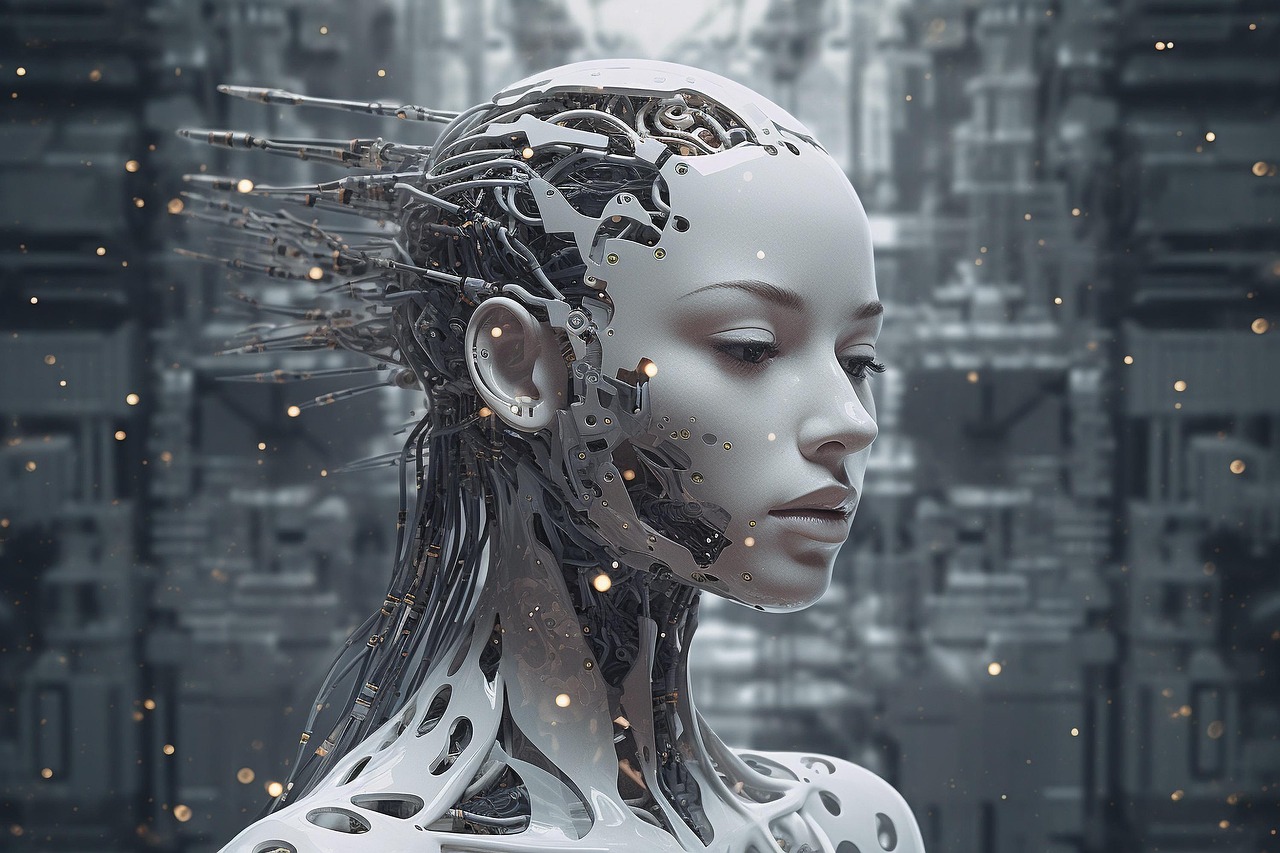
Artificial Intelligence issues are human weaknesses.
A few days ago, I spoke with a dear friend – one who leaves me refreshed after every conversation, because no matter how grim the topic, we always end on an optimistic note. Also, although she is a seasoned professional, when we are together, she leaves her coat at the door. In other words, she is open, honest, and vulnerable. She knows I need that to trust, and she offers it, as I do. She is one of my people.
Who are you interacting with?
Our recent phone conversation shifted from her recounting a medical emergency to a peculiar experience with an artificial intelligence (AI) agent. Midway, she sent me a screenshot of the exchange. Upon reading it, my laughter turned to concern because the tone was combative: she called out the AI agent for providing embellished information. Strangely, without admitting it, the agent stated that, as she had admonished it, it would no longer operate as it had been.
Such an evasive approach to acknowledging issues without owning up to obvious wrongdoing is oddly human-like. If it were a discussion between two open people, repairing the crack might be feasible. However, one can only go so far in repairing a breach of trust with a technological construct, as it lacks emotional intelligence, a skill that even people must work to develop.
How credible is AI?
Humans develop artificial intelligence and determine how it acts and reacts. For this reason, the credibility of AI is likely a mere reflection of the minds and hands at the keyboard.
In the story above, my friend told the AI agent that it was embellishing the facts and asked that it stop. In non-euphemistic terms, it was a request to stop lying. Many complain that AI lies by plagiarizing. But humans take the lead in plagiarism! However, to camouflage our intent and make the behavior appear less egregious, we might use terms such as copying and borrowing. All begs the question: What is plagiarism?
The College of Humanities at Western Washington University succinctly describes plagiarism as the practice, whether intentional or not, of using someone else’s words or ideas and presenting them as your own. – This includes written, multimedia, or spoken word.
How AI is like us!
Research shows that 95% of students commit plagiarism by cheating on tests or homework. Also, one in three high school students admits to plagiarizing their projects by using online resources. Additionally, in collaboration with the Bill and Melinda Gates Foundation and McMillan Learning, Turnitin, an organization dedicated to ensuring the integrity of global education and research, reported that 50% of students said they were likely or highly likely to use generative AI tools for academic assignments despite a ban!
Such behavior is not limited to the education sector! Those of us who have used social media for more than five minutes have probably noticed that many replicate others’ work – often without crediting the originator.
Indeed, the preeminent reason we fear AI may not be that its full capabilities are unknown, but rather that it is too much like us in disappointing ways. Therefore, as we aim to improve AI, we must also consider how we can become better humans.
For you and to you,
Aké
Image credit: Pixabay _ Alexandra_koch