







Why do we attach?

How we attach determines whether we languish, survive, or thrive.
When I was a child, I believed my parents existed to take care of my sisters and me. Hearing my mom refer to us as handkerchiefs God gave her to wipe her tears, and watching my dad consistently prioritize us, reinforced the message that we mattered dearly. In our home, love was abundant. Love is a limitless resource and is always available when one develops the capacity to love.
Over time, as I learned about the lives of others, I wondered what the state of my heart would be if I lived in an environment where love was scarce as a child. Then I came upon attachment theory, and it seemed to provide answers. Importantly, it helped me gain compassion. Thanks to my parents and a lot of help, I am secure, primarily. However, depending on circumstances, I can get off balance. When I do, I display behaviors associated with the other attachment styles, and to be healthy, I must reset.
What is attachment theory?
Attachment Theory was conceived and developed by the British-born psychoanalyst John Bowlby during the 1950s and 60s. The theory explains how people form emotional bonds and how we attach based on our relationship with our primary caregiver during infancy.
Essentially, a primary caregiver serves as a home base for an infant – physically and emotionally. How we attach is how we meet our needs, and our patterns set the foundation for how we relate to others well into adulthood.
The attachment styles are secure, anxious, avoidant, and fearful avoidant.
I am safe and protected.
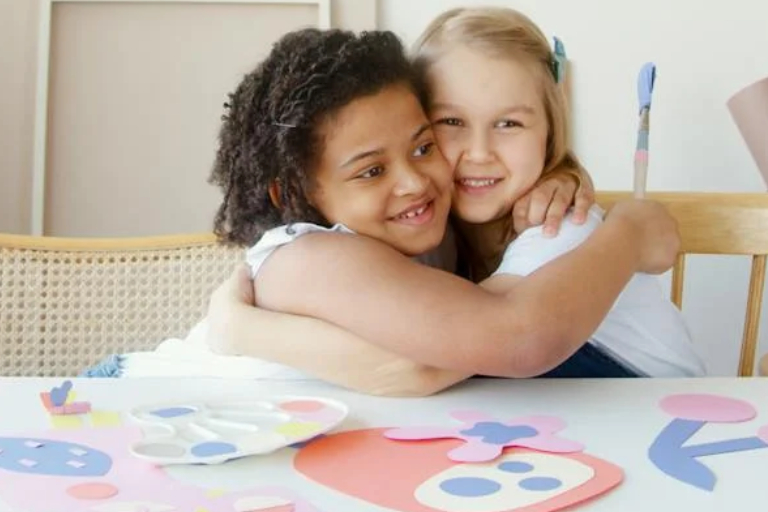
Those who experience responsive caregiving form secure attachments. i.e., a healthy emotional bond grounded in trust, safety, and a balance of independence and intimacy.
If secure attachment had a voice, it would say, I miss you when you are not around, but I believe you love me and will be here for me when I need you. I will go and play now, and I will be back.
I cannot and must not let go.
Here comes the anxious heart.
One with an anxious attachment style has a profound need for closeness, fear of abandonment and rejection, coupled with a constant need for reassurance.
Such a person might shrink themselves by over-accommodating and withholding their needs. Ironically, to meet their needs, they deny themselves and bend over backwards excessively.
Do not come too close.
It is the silent message of the avoidant.
With the avoidant attachment style, an individual values independence greatly, struggles to be emotionally available, and suppresses their needs to avoid rejection.
An excessive need for self-reliance, self-protection, and independence leads them to keep others at bay, often by constructing boundaries that feel like walls.
I want, but I am afraid to want.
Welcome to the world of fearful avoidance.
A fearful avoidant is a rare and complex style – rooted in emotional uncertainty, and characterized by a simultaneous craving and fear of intimacy.
A pronounced fear of rejection may lead such an individual to appear cold and distant. Also, their need for consistent reassurance, coupled with a fear of abandonment, might lead them to test the relationship and suffer emotional burnout.
With total transparency, I have a soft spot for this attachment style. – Perhaps because this person’s dreams are so near yet so far, as their greatest need is to believe that they are enough.
After the same thing!
Anxious and avoidant attachment styles share a potent similarity: People disappear. The anxious person disappears by shrinking themselves. And the avoidant person disappears by escaping to protect themselves. Neither style enables connection, because connection requires presence. – Connection is what we are all after!
Erroneously, some people label others as good or bad based on their attachment styles. However, our styles are expressions based on the stories of our lives and our interpretations of them. We are all a collection of stories, and cultivating healthy relationships requires the courage to ask, the patience to listen, the will to understand, and a dose of grace.
Happy Holidays!
For you and to you,
Aké
Image credit: Pixabay | Jarmoluk